
I've been a public radio reporter and producer for nearly two decades, and I've done everything from investigative stories to politics, foreign correspondence work to arts and culture.
Currently, I'm spending most of my time producing my podcast Far From Home, which you can check out here.
This page is still under construction, as I dig through my archives to find highlights from my reporting over the years, but I've posted links to just a fee of my favorite stories I've produced in the past. If you want to hear some of my more recent and serious work, including my Peabody award-winning coverage of NJ's recovery from Superstorm Sandy, check out the projects page of my website as well as my archive on NPR’s website.
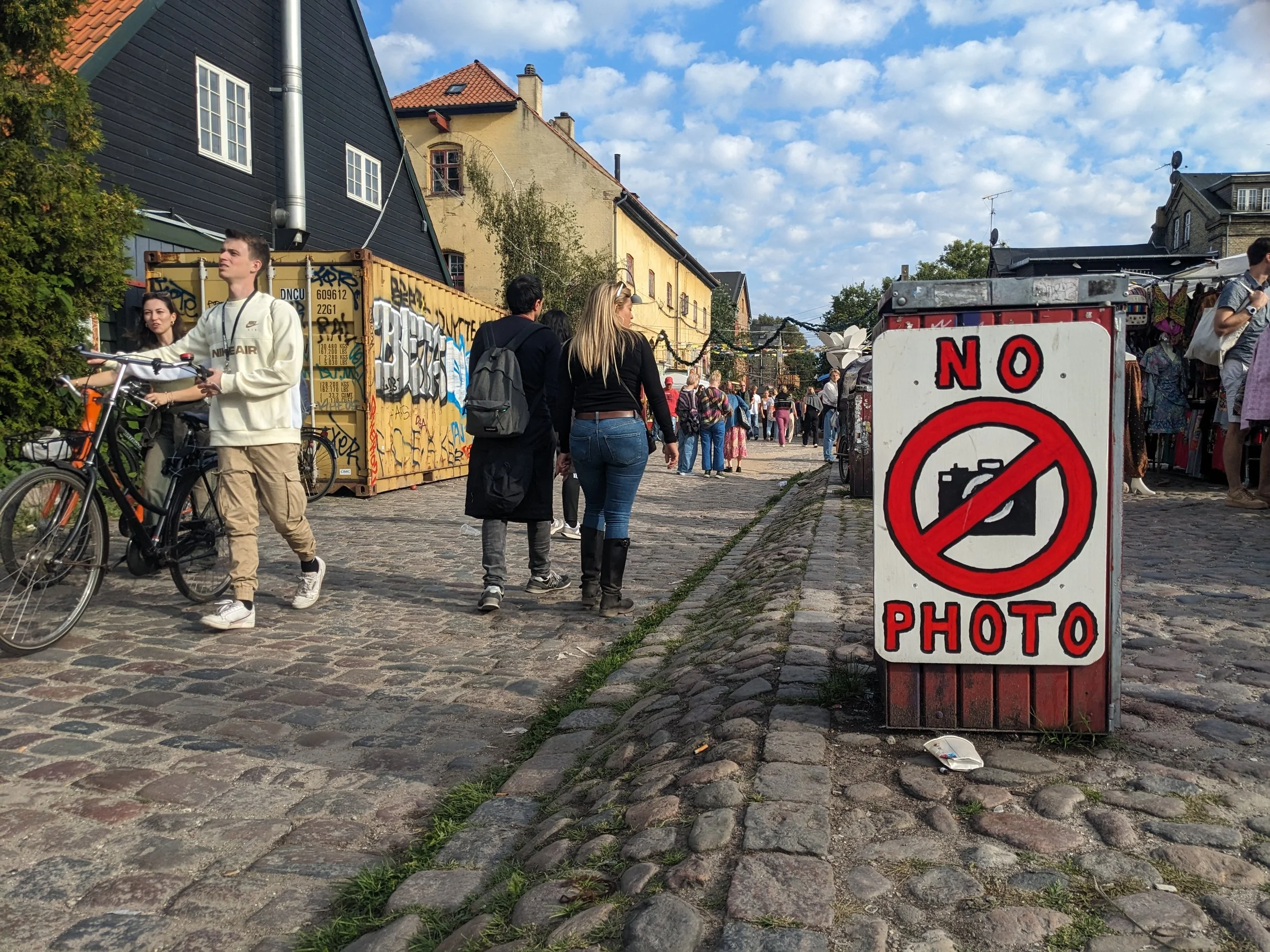
In 1971, a group of squatters took over an abandoned military base just across the harbor from downtown Copenhagen, Denmark. They created a politically autonomous anarchist zone -- in other words, a commune -- with its own flag, marching band, and consensus-driven governance process, and they decided to call their community Christiania. The thousand or so residents were free to do pretty much whatever they wanted as long as it didn't infringe upon the rights of other people. There were just a few rules: no private ownership of land or housing, no weapons or violence, and no vehicles. But as the years went on, Christiania faced a number of challenges, and now -- more than half a century later -- it's at a turning point where some people question how much longer it will be able to survive. I produced this documentary for 99% Invisible.
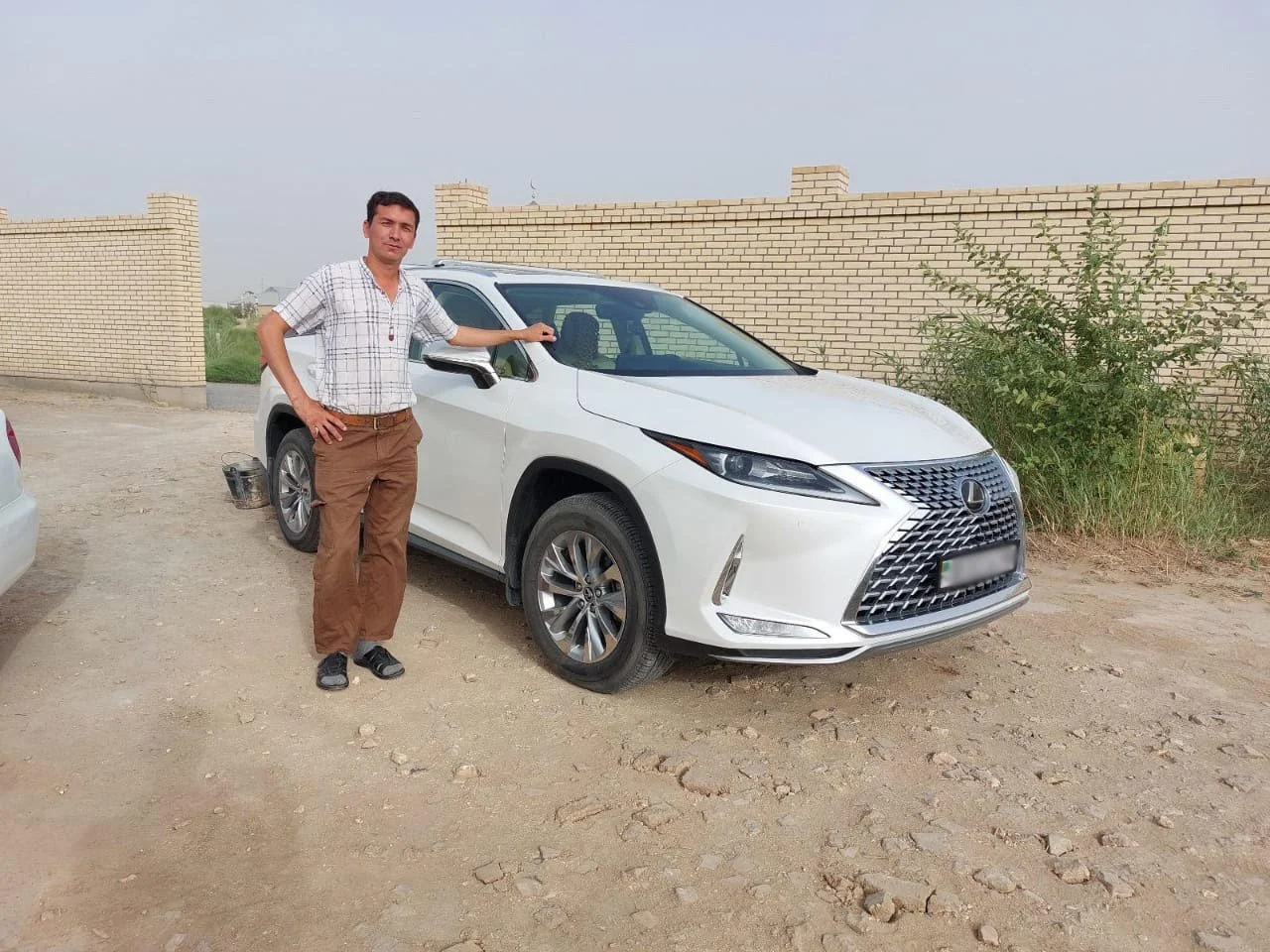
A while back, a friend of mine named Oraz who ran an auto body repair shop in the Central Asian country of Turkmenistan came across a kind of puzzle. A new vehicle had arrived on his lot. A white Lexus SUV. He could see by the inspection sticker that it came from the U.S., but the thing that really caught his attention was the shape it was in. It was practically brand new, not like the dented and mangled cars that usually come to him for repairs.
Oraz wondered: How did this car get here, to my shop? And what kind of place, what kind of person, casts off such a nice new car? I worked with reporter Alexi Horowitz-Ghazi from NPR’s Planet Money podcast to embark on a journey through the international used car underground that led us all the way back to a pleasant, two-story home in suburban New Jersey.
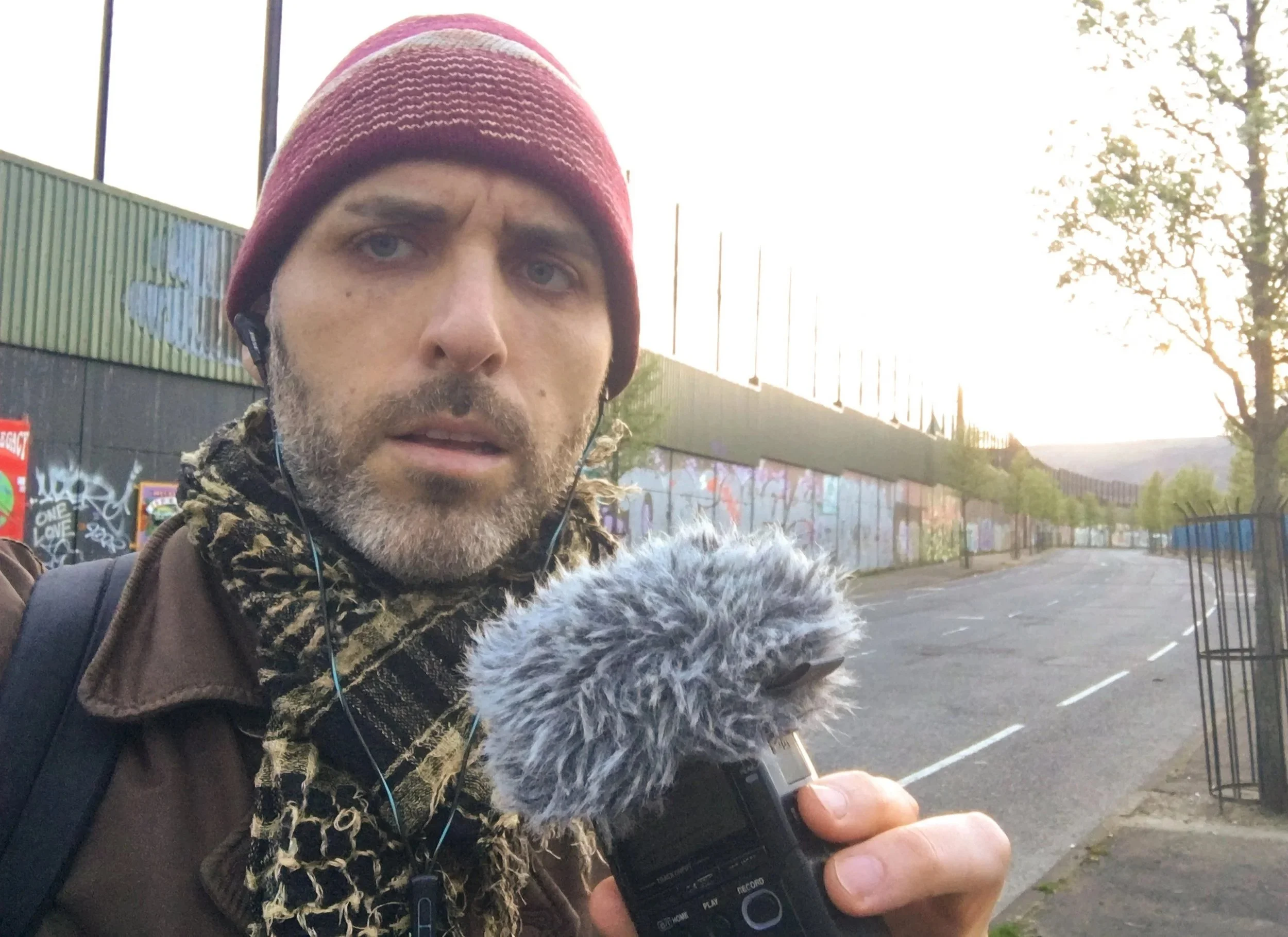
In 1998, political leaders in Northern Ireland signed a peace agreement they hoped would end the Troubles, a 30 year period of armed conflict between Catholic nationalists and Protestant loyalists. Decades later, the situation has improved, but cities like Belfast remain divided by dozens of fences and walls separating the two communities. And removing them isn’t going to be easy. In collaboration with the podcast 99% Invisible, I visited Northern Ireland to learn about the history and speak to residents about why the walls are still standing.
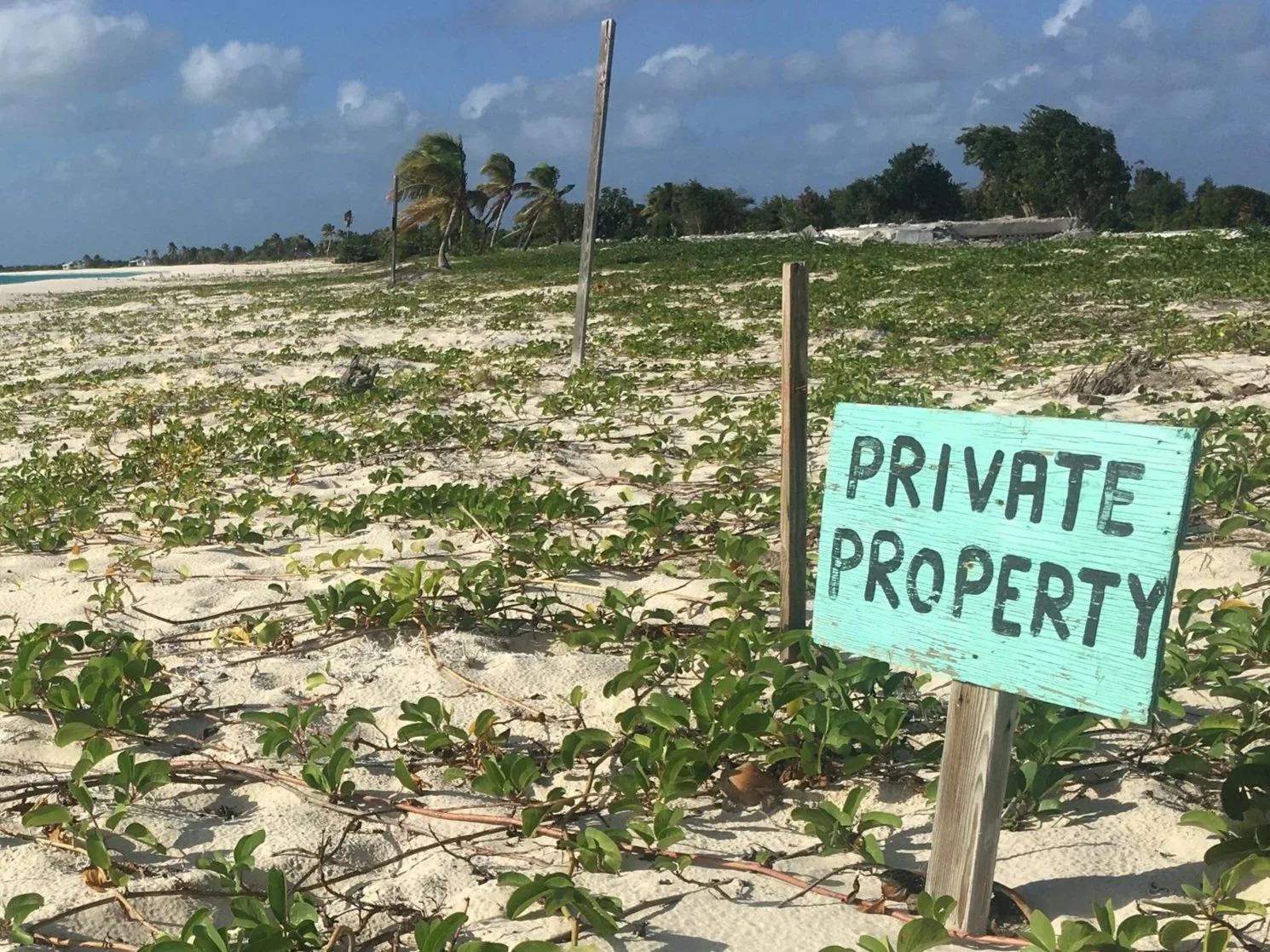
If you want to build a house on the Caribbean island of Barbuda, you can just put up a fence wherever you want, and have it. You don’t pay for it. You don’t sign for anything. You just have to be Barbudan. Barbudans have held their pink sand paradise “in common” since the 1800s. No titles. No paperwork. But on the heels of a major disaster, the Prime Minister has come up with a new plan. He wants to sell Barbudans the plot of land they’ve been living on for one Eastern Caribbean dollar and give them legally binding property titles they can take to a bank, to help rebuild. A lot of Barbudans don’t want the deal, though. I teamed up with reporter Sarah Gonzalez from NPR’s Planet Money podcast to tell the story.